

Maintenance
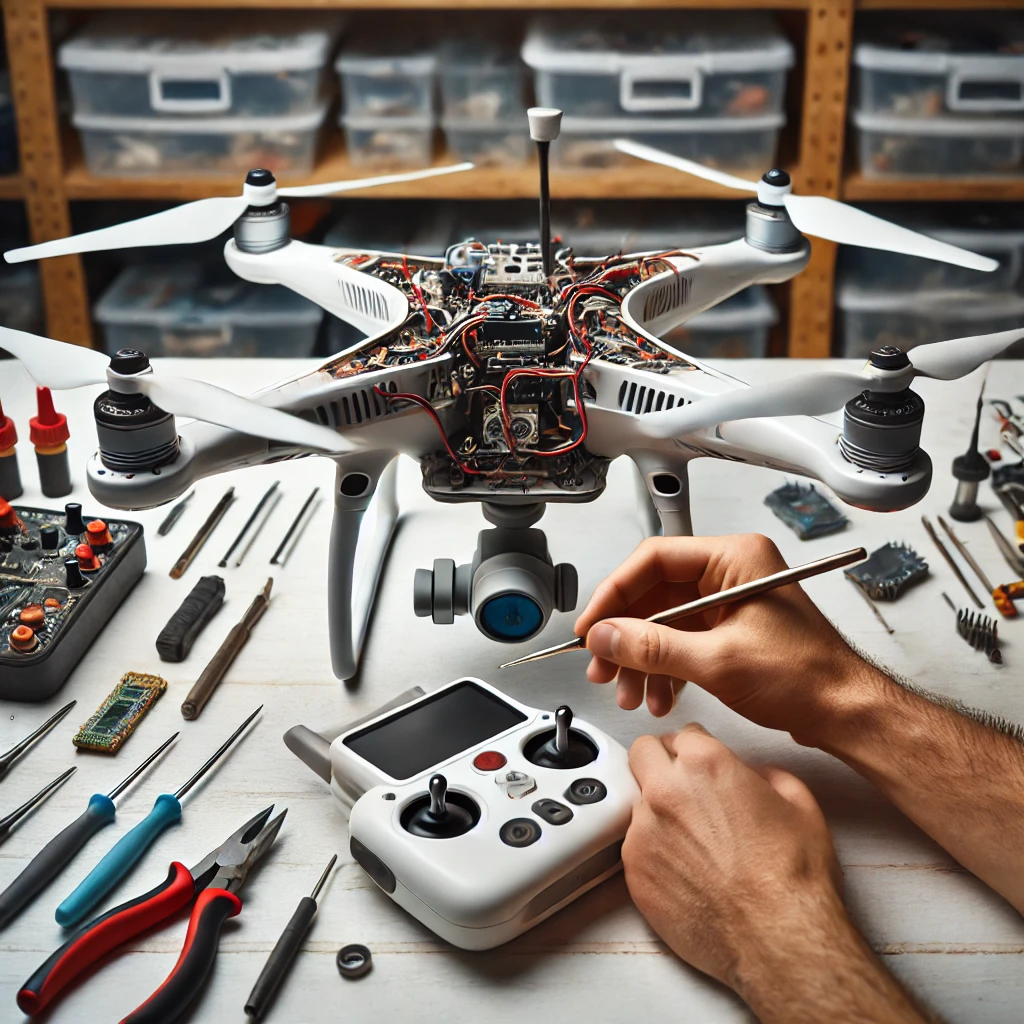
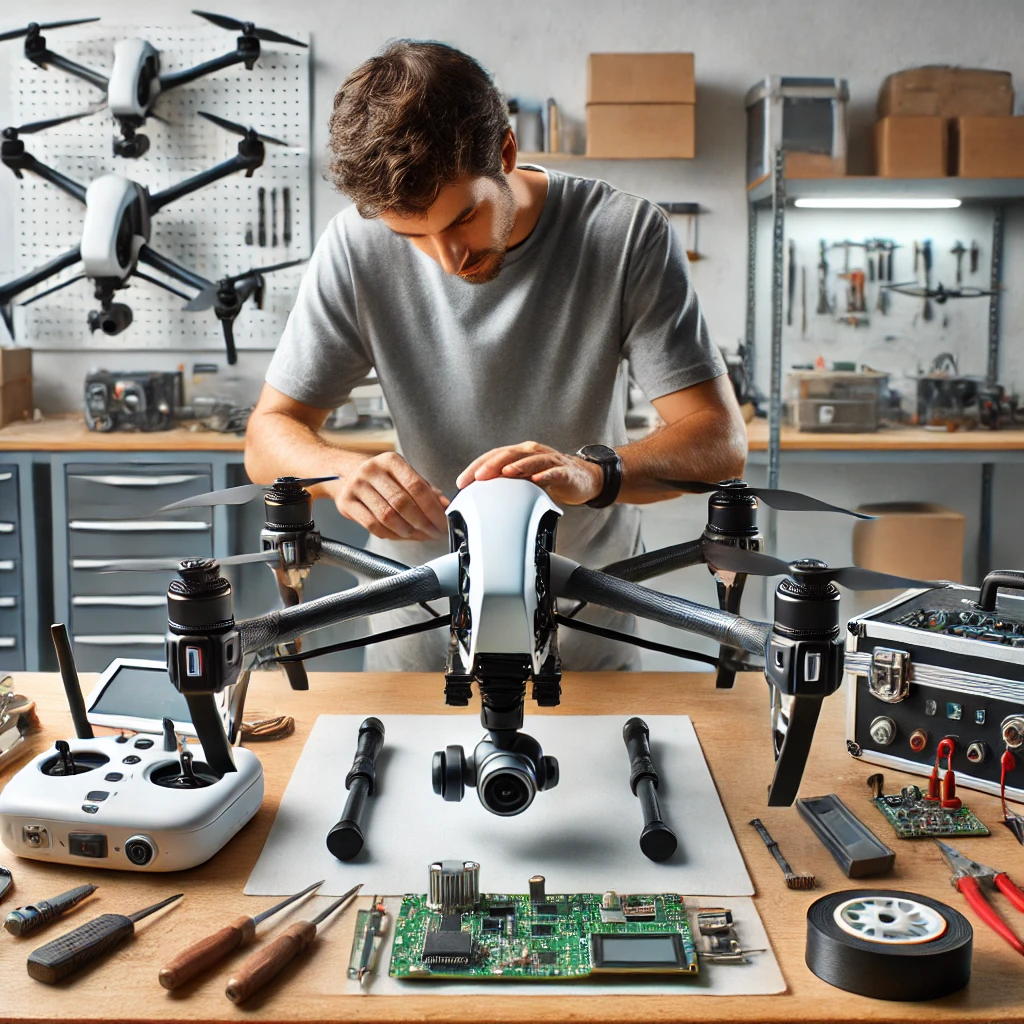
Proper maintenance is essential to ensure the longevity, safety, and optimal performance of drones, especially when they are deployed in critical industries like defense, agriculture, logistics, and infrastructure. At Zen Kinematics 8 Systems Private Limited, we emphasize the importance of regular maintenance and upkeep of drone systems to prevent costly downtime and ensure that they are always mission-ready.
Our drones are designed with ease of maintenance in mind, ensuring that routine checks, repairs, and updates can be carried out efficiently. We also provide support and guidance on best practices for keeping drone systems in top condition.
Key Components of Drone Maintenance
-
Pre-Flight and Post-Flight Inspections Regular inspections before and after each flight are crucial to ensuring drone safety and performance. These inspections involve:
- Checking propellers and motors for any signs of wear, damage, or debris.
- Inspecting batteries for proper charge and any visible signs of swelling or leakage.
- Verifying sensors and cameras to ensure they are clean and functional.
- Examining the drone frame for cracks, dents, or other structural damage.
Pre-flight checks help identify potential issues that could affect the drone’s operation, while post-flight checks assess any wear or damage caused during flight.
-
Battery Maintenance The battery is one of the most critical components of a drone. Regular maintenance includes:
- Charging and Discharging: Always use manufacturer-recommended chargers and follow proper charging cycles. Avoid overcharging or letting batteries discharge completely.
- Storage: Store batteries in a cool, dry place at about 40-60% charge for long-term storage.
- Inspecting for Swelling or Leaks: Replace any batteries that show signs of swelling or leakage, as they can become dangerous to operate.
- Regular Battery Testing: Use battery testing equipment to check voltage and capacity to ensure they are functioning at optimal levels.
-
Propeller and Motor Maintenance The propellers and motors are subject to wear and tear, especially in rugged environments. Proper maintenance includes:
- Regular Cleaning: Remove any dirt, debris, or obstructions from the propellers and motors after each flight.
- Inspect for Damage: Look for chips, cracks, or other damage on propellers, which can affect flight performance. Replace damaged propellers immediately.
- Motor Lubrication: Some motors may require periodic lubrication to ensure smooth operation. Check the manufacturer’s guidelines for maintenance requirements.
-
Sensor and Camera Maintenance Drones rely heavily on sensors and cameras for navigation, data collection, and surveillance. Maintenance tasks include:
- Cleaning Lenses and Sensors: Regularly clean the lenses of cameras and sensors to prevent dirt or smudges from affecting performance.
- Calibrating Sensors: Ensure that GPS, altitude, and other navigational sensors are properly calibrated to maintain accuracy.
- Checking Connections: Ensure that all sensor and camera connections are secure and free from corrosion.
-
Firmware Updates and Software Maintenance Drone performance often depends on firmware and software updates that enhance functionality, fix bugs, and improve security. Regularly check for:
- Firmware Updates: Always update the drone’s firmware to the latest version as recommended by the manufacturer.
- Software Upgrades: Ensure that ground control software and any AI-driven systems are also kept up to date.
- Security Patches: In security-sensitive operations, it’s crucial to apply security patches to prevent unauthorized access or hacking.
-
Structural Frame and Body Inspection The frame of the drone can experience stress, especially during long flights or rough landings. Regular checks should include:
- Examining the frame for any visible cracks, bends, or other structural issues.
- Inspecting landing gear: Ensure that landing gear mechanisms are working properly and not damaged.
- Tightening Screws and Fasteners: Check and tighten any loose screws or fasteners that could affect the drone’s stability and performance.
-
Motor and ESC (Electronic Speed Controller) Maintenance The motors and ESCs are essential for the drone’s propulsion system. Maintenance includes:
- Motor cleaning: Dust and dirt can affect motor performance, so cleaning them regularly is essential.
- ESC temperature monitoring: Ensure that ESCs are operating at optimal temperatures and are not overheating.
- Replacing worn parts: If the motors or ESCs show signs of wear or reduced efficiency, they should be replaced as part of regular maintenance.
-
Data Logging and Analysis Many modern drones collect flight data, which can be analyzed for performance insights and early detection of issues. Regular analysis of:
- Flight logs to identify irregularities, excessive vibrations, or anomalies in performance.
- Battery usage patterns to ensure they are being discharged and charged correctly.
- Motor performance data to preemptively identify signs of wear or inefficiency.
-
Storage and Environmental Considerations Proper storage is critical to prolonging the life of a drone, especially in extreme environments. Best practices include:
- Storage in a cool, dry place to avoid moisture damage.
- Protection from direct sunlight: Heat can damage components like plastic parts, propellers, and batteries.
- Using protective cases: When not in use, store drones in protective cases to avoid dust, moisture, or accidental damage.
-
Maintenance Schedule Establishing a regular maintenance schedule is crucial for ensuring drones operate efficiently. We recommend:
- Weekly or bi-weekly checks for routine operations like cleaning, battery health checks, and visual inspections.
- Monthly in-depth inspections that include detailed checks of motor performance, structural integrity, and firmware updates.
- Annual overhauls where drones are disassembled, cleaned, and thoroughly inspected for long-term wear and tear.
Frequently Asked Questions (FAQ)
A maintenance drone is a specially designed unmanned aerial vehicle (UAV) equipped with tools, sensors, and cameras to perform tasks related to the inspection, monitoring, and maintenance of buildings, infrastructure, and equipment. These drones are used to reduce human risk in dangerous or hard-to-reach areas and increase efficiency in maintaining structures such as bridges, wind turbines, high-rise buildings, and power lines.
Maintenance drones can perform a wide range of tasks, including:
- Inspection of building exteriors for damage, cracks, or wear.
- Monitoring infrastructure such as bridges, pipelines, and power lines for potential issues.
- Cleaning windows and facades of tall buildings or hard-to-reach areas.
- Detecting structural damage using thermal imaging or other sensors.
- Inspecting wind turbines, solar panels, and communication towers for wear or damage.
Maintenance drones offer several advantages:
- Safety: Drones reduce the need for human workers to perform dangerous tasks at heights or in hazardous environments.
- Cost Efficiency: Using drones is often more cost-effective than traditional maintenance methods, which may require scaffolding, cranes, or helicopters.
- Speed: Drones can quickly inspect large areas or structures, identifying potential issues in a fraction of the time required for manual inspections.
- Precision: Drones equipped with high-resolution cameras and advanced sensors can detect even minor issues that might go unnoticed by the human eye.
4. What industries use maintenance drones?
Maintenance drones are used in various industries, including:
- Construction: For inspecting buildings, bridges, and other infrastructure.
- Energy: For inspecting wind turbines, solar panels, and power lines.
- Telecommunications: For maintaining cell towers and communication equipment.
- Oil and Gas: For monitoring pipelines, rigs, and storage facilities.
- Transportation: For inspecting railway tracks, highways, and airport runways.
5. What equipment do maintenance drones typically carry?
Maintenance drones are equipped with specialized tools and sensors to perform their tasks, including:
- High-resolution cameras: For detailed visual inspections.
- Thermal imaging sensors: To detect heat patterns and potential structural issues, such as cracks or leaks.
- Ultrasonic sensors: To assess the thickness and integrity of materials.
- Robotic arms or manipulators: For performing minor repairs, cleaning tasks, or handling tools.
- LIDAR sensors: For creating detailed 3D models of structures for analysis.
Most maintenance drones are built to withstand a range of environmental conditions, but their ability to function in extreme weather may be limited. Drones are typically designed to operate in:
- Clear, mild weather for optimal flight and data collection.
- Wind conditions up to a certain limit, depending on the drone's design. However, heavy rain, strong winds, or snow may interfere with a drone’s sensors, cameras, and flight stability, which is why weather conditions must be considered before deployment.